
Article courtesy of Nathan Hays, Renewables Specialist
The concept of electric transportation dates to the early 19th century. In the 1820s-1830s, inventors in Europe and the United States experimented with small-scale electric-powered carriages using primitive batteries. These early prototypes were not commercially practical due to limited battery capacity and a lack of supporting infrastructure.
By the late 1800s, technological breakthroughs—particularly the lead-acid battery—made electric vehicles more viable. EVs began to gain popularity in urban areas, especially in cities like New York and London. They were quiet, easy to operate, and did not produce the smoke or noise associated with steam and gasoline-powered vehicles. In fact, by the 1890s, electric taxis were operating in major cities, and EVs accounted for a significant share of vehicles on the road.
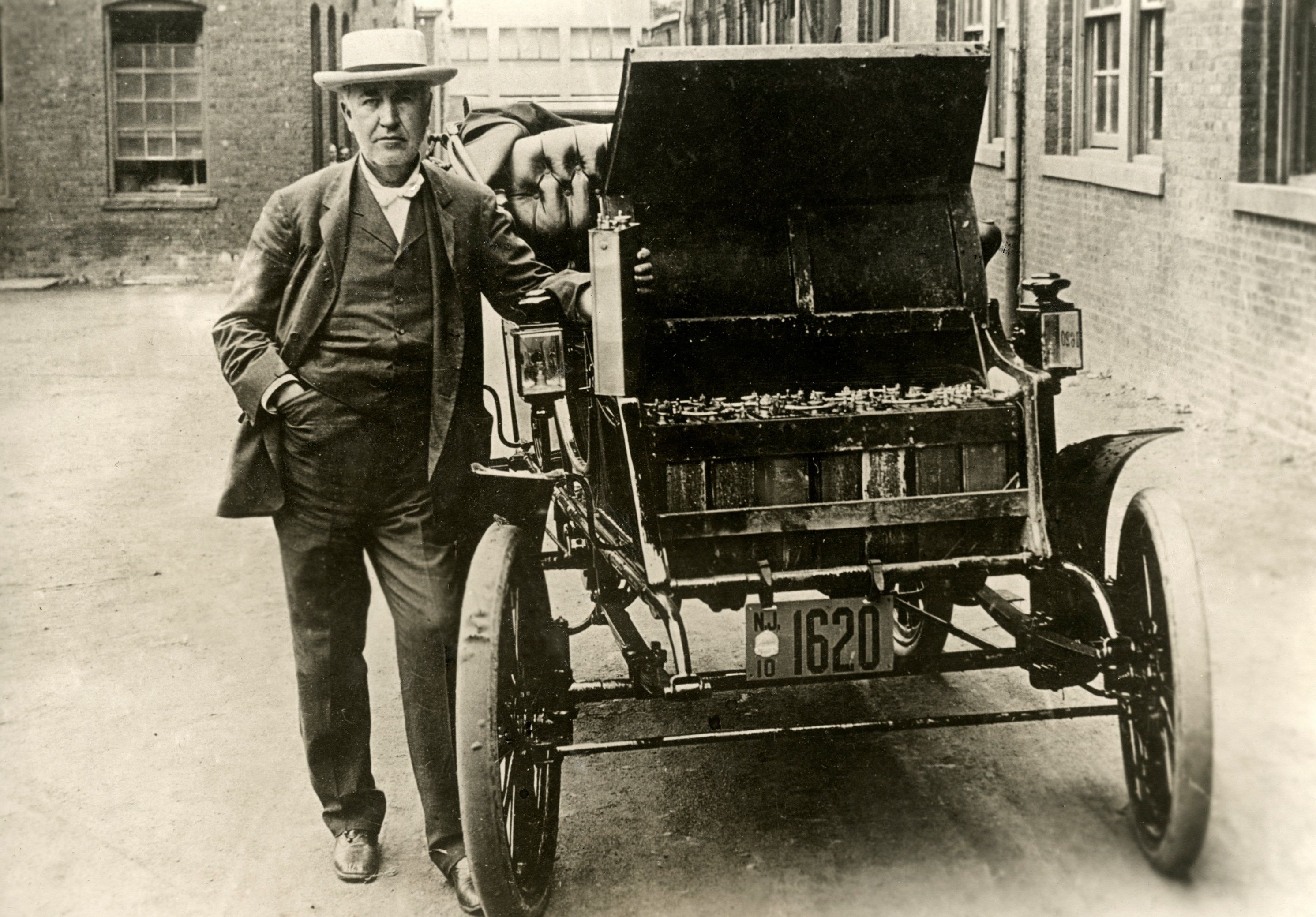
At the turn of the 20th century, EVs were competing with gasoline and steam-powered vehicles for dominance. Around 1900, EVs made up roughly one-third of all vehicles in the United States. They were particularly popular among urban drivers due to their simplicity, reliability, and ease of use.
However, several key developments led to the decline of EVs. Henry Ford’s introduction of the Model T in 1908 revolutionized automobile manufacturing through mass production, dramatically lowering the cost of gasoline cars. Around the same time, the discovery of abundant crude oil reserves made gasoline inexpensive and widely available. In addition, the invention of the electric starter in 1912 eliminated the need for hand-cranking gasoline engines, making them more convenient. Improvements in road infrastructure also favored gasoline vehicles, which could travel longer distances without needing to recharge. As a result, EVs began to fade from the market by the 1920s and were largely obsolete by the 1930s.
For several decades, electric vehicles remained a niche concept, primarily limited to research and experimental use. Interest in EVs was occasionally revived during periods of fuel scarcity or environmental concern, such as during the oil crises of the 1970s. Governments and automakers explored alternative fuel vehicles, including electric options, but battery technology still limited performance and range.

In the 1990s, environmental regulations spurred renewed interest in EVs. The California Air Resources Board (CARB) introduced mandates encouraging zero-emission vehicles, prompting automakers to produce early modern EVs. One notable example was General Motors’ EV1, released in 1996. Although technologically advanced, it was expensive and ultimately discontinued, underscoring the ongoing barriers to widespread EV adoption.
The 21st century has marked a turning point for EVs in the United States, driven by a combination of technological innovation, policy support, and market demand.
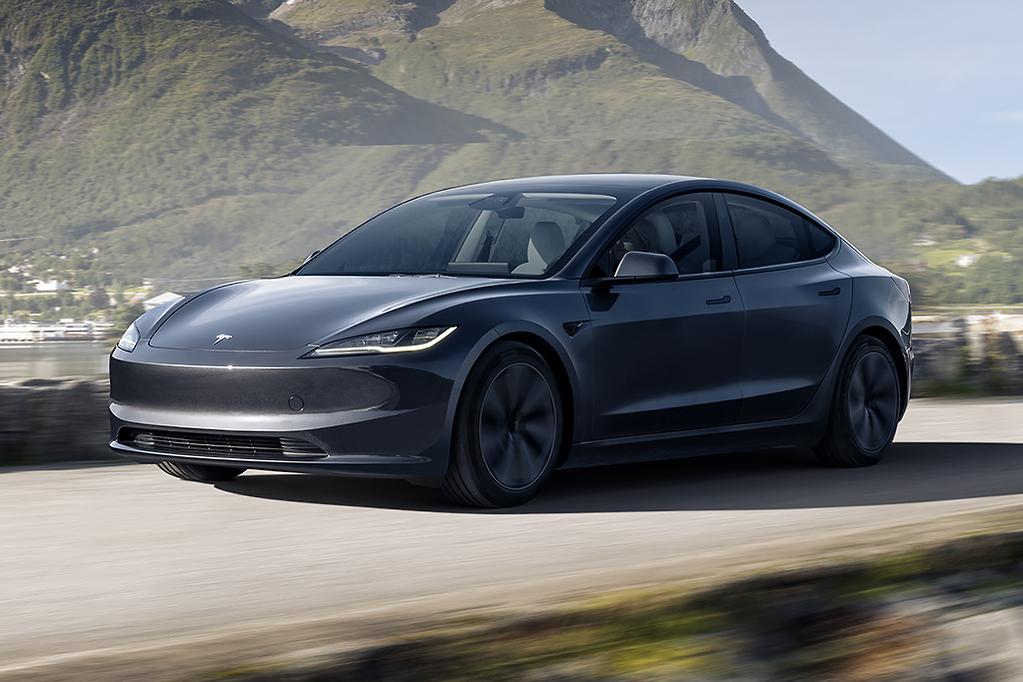
A major catalyst was the rise of Tesla, an American automaker founded in 2003. Tesla’s Roadster (2008) proved that EVs could offer both long range and high performance, challenging the perception that electric cars were slow or impractical. This was followed by the Model S (2012), which gained widespread attention for its range, acceleration, and advanced features. Tesla’s success pushed established U.S. automakers—such as Ford and General Motors—to accelerate their own EV programs.
Government policy has also played a crucial role. The U.S. federal government introduced tax credits for EV purchases, making them more affordable for consumers. Additionally, states like California have led the way with stricter emissions regulations and zero-emission vehicle mandates, influencing national trends. In 2021 and beyond, federal initiatives have further boosted adoption.
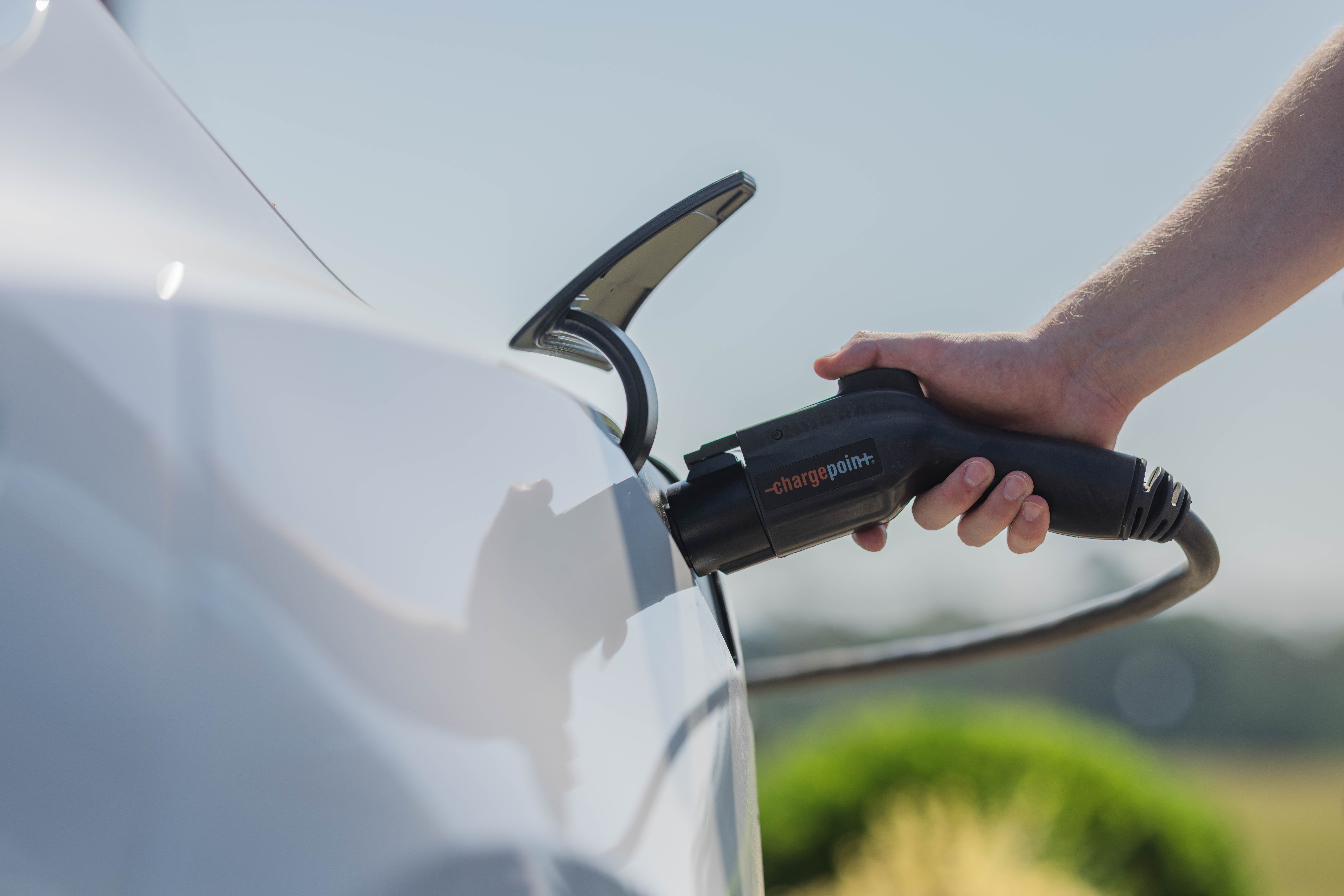
Charging infrastructure has expanded rapidly across the United States, with networks such as Tesla Supercharger, Electrify America, and ChargePoint making long-distance EV travel increasingly practical. This has helped address “range anxiety,” one of the biggest concerns among consumers.
American automakers have also made significant investments in electrification. Ford launched the Mustang Mach-E and the F-150 Lightning, signaling a shift toward electrifying even the most iconic vehicle segments. Meanwhile, startups such as Rivian and Lucid Motors have contributed to innovation and competition within the domestic EV market.
Consumer adoption in the U.S. has grown steadily, though it still varies by region. States with strong policy support and infrastructure have seen the highest concentrations of EV ownership. As battery costs continue to fall and charging networks expand, EVs are becoming more accessible to a broader range of Americans.
From their early prominence in the 19th century to their decline in the face of gasoline-powered cars, and finally their modern resurgence, EVs have evolved alongside technological and societal changes.
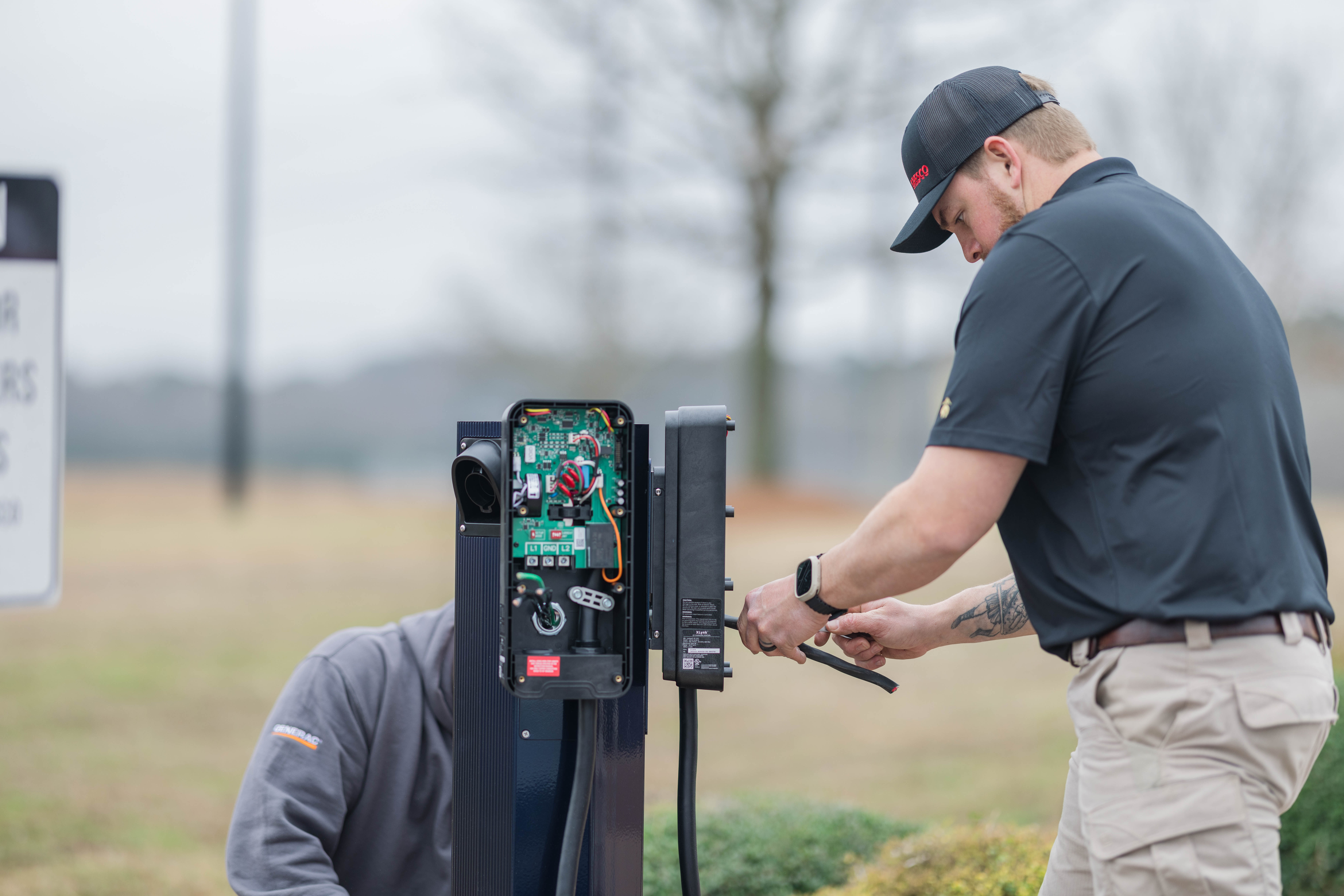
Gresco connects communities, businesses, and utility providers to the future of clean energy with renewable solutions, smart grid technology, and powerful EV charging options—from residential chargers to high-capacity public stations.
Partner with us for the products, expertise, and support you need to meet growing demand and succeed in the expanding EV infrastructure market—contact your representative today or visit our website to learn more.
