
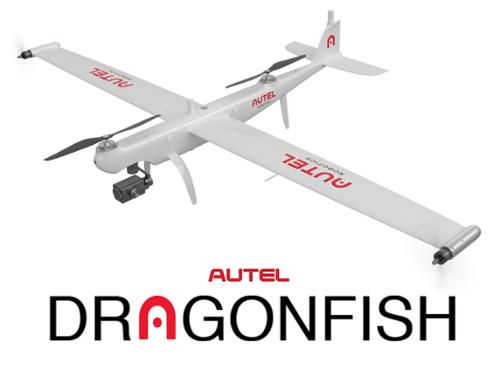
The Autel Robotics Dragonfish Standard Aircraft is a professional VTOL unmanned aircraft designed for long‑duration aerial missions that require both vertical takeoff capability and fixed‑wing efficiency. This aircraft is commonly used in surveying, mapping, infrastructure inspection, environmental monitoring, and public safety operations where extended flight time and wide‑area coverage are critical. Its tilt‑rotor design allows operators to launch and land in confined areas while maintaining efficient forward flight for large‑scale missions.
The Dragonfish Standard supports modular payload configurations and advanced navigation systems to meet the demands of enterprise‑level operations. With support for RTK positioning, multiple GNSS constellations, and weather‑resistant construction, the aircraft is suited for operation in complex outdoor environments. Redundant flight systems and intelligent monitoring contribute to reliable performance during long‑range missions that require precision, stability, and operational safety.
|
|
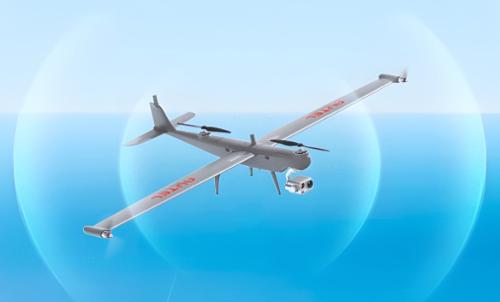
Reliable Anti‑Interference Communication
|
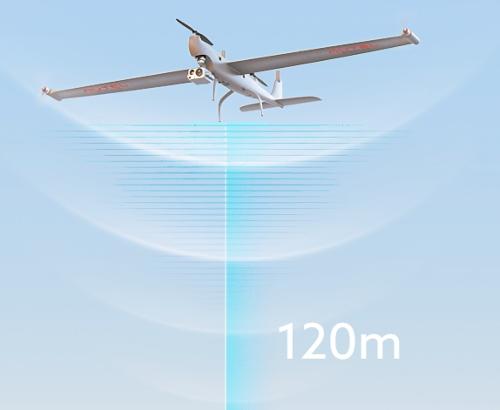
Low‑Noise Flight Operation
|
